
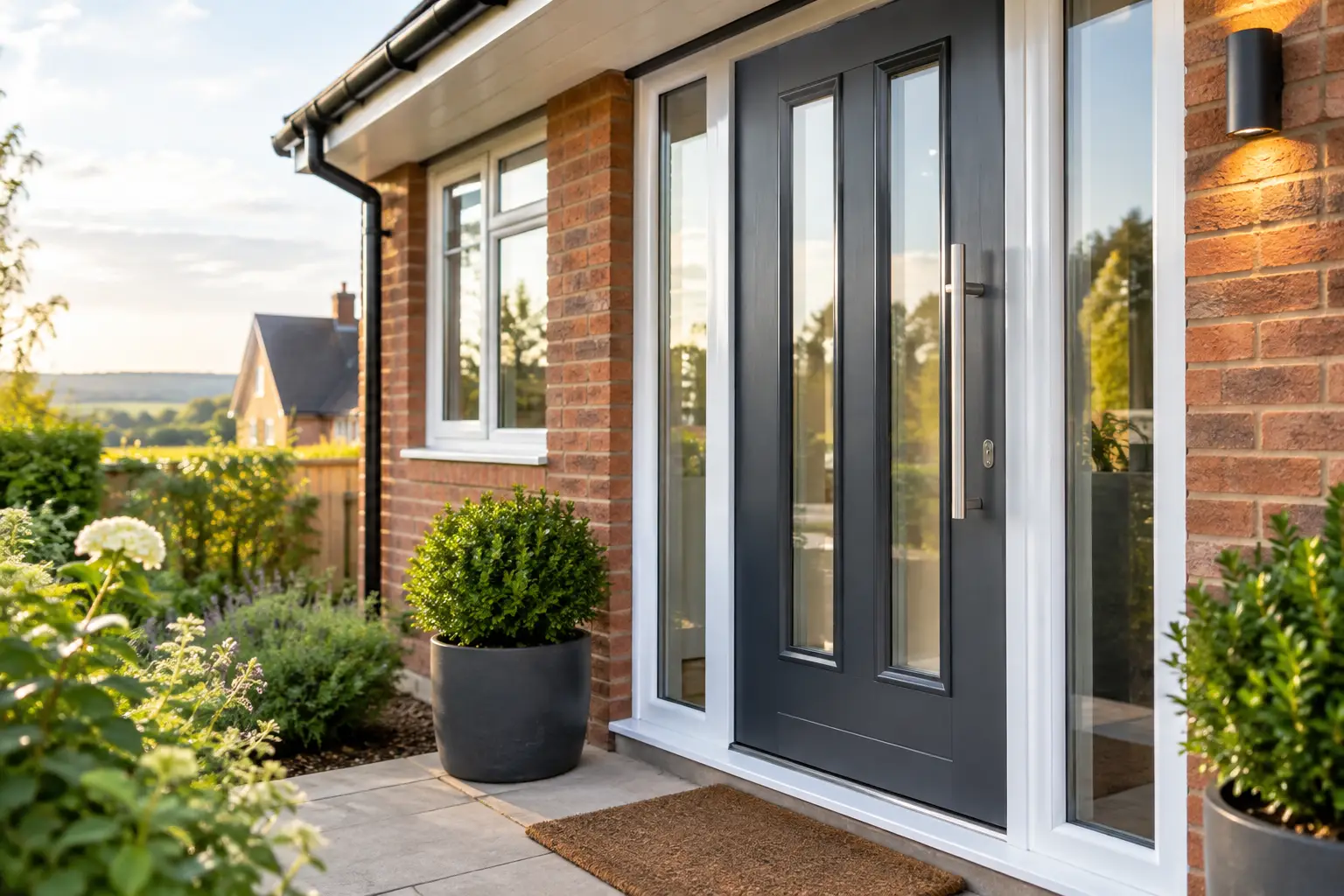
A front or back door has a bigger job than simply filling an opening. It needs to keep the weather out, feel secure when the house is empty, work smoothly every day and suit the character of the property. Well-chosen uPVC doors can deliver all of this at a sensible cost, making them a popular choice for homeowners across Maidstone, Kent and the wider South East.
The right door is not always the most expensive one or the one with the most decorative glass. It is the one that has been properly measured, specified for its location and fitted with care. Whether you are replacing a tired rear door, updating a side entrance or planning new doors as part of a larger refurbishment, a little thought at the start helps avoid compromises later.
Start with how the door will be used
A busy family kitchen door has different demands from a rarely used utility-room entrance. Before choosing a style, consider who uses the door, how often it opens and whether it faces driving rain, strong sunlight or a particularly exposed part of the garden.
For example, a fully glazed rear door can bring valuable daylight into a kitchen or dining area, while a more solid panelled door may offer greater privacy for a side passage. A stable-style option can be useful where ventilation is wanted without allowing pets or young children free access to the garden. For a narrow opening, an inward-opening door may affect hallway space, while an outward-opening design can be more practical if the outside area allows for it.
It is also worth considering the threshold. A low threshold makes access easier for pushchairs, wheelchairs and anyone less steady on their feet. However, the door location and drainage details must be assessed properly, particularly where rainwater could collect near the entrance.
Choosing the right uPVC door style
Modern uPVC doors are available in far more than plain white. White remains a clean, practical choice, particularly on newer homes, but anthracite grey, black, cream and wood-effect finishes can suit a wide range of properties. The aim should be to complement the windows, brickwork and existing exterior details rather than follow a colour trend that may soon date.
A half-glazed door is a familiar choice for kitchens and back entrances because it allows light in while retaining a solid lower section. Fully glazed doors can make a compact room feel brighter, especially when fitted with obscured or decorative glass where privacy is needed. Panelled doors offer a more traditional appearance and can work well on garages, utility rooms and side entrances.
The glazing design matters as much as the door colour. Clear glass suits a private garden, whereas frosted, patterned or textured glass is often better for side doors and entrances facing a neighbour. Decorative glazing can add character, but simpler designs are usually easier to match if other doors or windows are replaced in the future.
For a main front door, some homeowners prefer the weight and appearance of a composite door. That can be a very good choice, particularly where a solid timber-style look is wanted. uPVC is often the more cost-effective option for secondary entrances, rear doors and properties where low maintenance and a bright, practical finish are the priority. The best choice depends on the opening, budget and the overall look you want to achieve.
Security is about the whole door set
A secure door is not just about the lock. The frame, hinges, glazing, cylinder, handles and fitting all work together. A high-quality door can underperform if it is poorly installed or if the surrounding frame has been compromised by age, movement or previous alterations.
Ask about the locking arrangement and make sure it is appropriate for the door’s location. Multi-point locking secures the door at several points around the frame, rather than relying on a single lock position. The cylinder should also be selected with security in mind, particularly on doors with external handles. Reinforced panels, secure hinges and suitably specified toughened or laminated glazing may be appropriate depending on the design.
The fitting is equally significant. The frame should be fixed squarely and securely, with consistent gaps around the sash so the lock engages as intended. A door that catches, drops or needs force to lock is not something to ignore. It may be a simple adjustment, but it should be dealt with promptly before it affects security or causes unnecessary wear.
Energy efficiency and comfort at home
Older doors often show their age through draughts around the edges, cold internal surfaces and rainwater finding its way through tired seals. A modern uPVC door with good-quality double glazing and correctly fitted weather seals can make an entrance area noticeably more comfortable.
Energy performance is influenced by the entire door unit, not just the glass. The insulated sections of the door, the frame, the spacer bars in glazed units and the quality of installation all play a part. A solid panel may offer a different level of insulation from a heavily glazed design, so it is sensible to discuss the balance between light and thermal performance rather than assume one style is always better.
A darker finish on a door that receives strong afternoon sun may need particular consideration. Dark colours can absorb more heat, and a good installer will assess the door’s position, size and specification carefully. This does not mean darker doors should be avoided, but it does show why a proper survey is preferable to choosing solely from a brochure or online image.
Why a careful survey makes the difference
Every property is slightly different. Brickwork may be uneven, old frames may conceal damaged lintels or surrounding render may need making good when a door is removed. A detailed survey identifies these issues before installation day and gives the homeowner a clearer picture of what the work involves.
Measurements should cover more than the visible opening. The installer needs to check the condition of the existing frame, access to the property, internal finishes, threshold height and the way the new door will open. If replacement work affects a doorway near a kitchen, conservatory or extension, planning the timing carefully can reduce disruption to family life.
At ADM Home Improvements, the focus is on high-quality workmanship and clear, friendly advice from a family-run team. That means helping homeowners choose a practical specification, not pushing them towards a door that does not suit the property or budget.
Looking after your new door
uPVC is valued because it does not need painting or staining, but a small amount of regular care keeps it looking and working well. Clean the frame and panels with warm soapy water and a soft cloth. Avoid abrasive pads, solvents and harsh cleaning products, as these can damage the surface or hardware finish.
Keep the drainage channels at the bottom of the frame clear of leaves and dirt, especially after autumn. Wipe down the seals occasionally and check that the door closes evenly. Hinges and locking mechanisms may need periodic adjustment or lubrication in line with the manufacturer’s guidance. If the door becomes difficult to operate, arrange an inspection rather than forcing the handle.
When replacement is the sensible option
A sticking door does not automatically need replacing. Adjustment, replacement seals or new hardware can sometimes extend its life. However, recurring draughts, misted double-glazed units, cracks, warping, water ingress or a door that no longer locks reliably are signs that replacement may be the more worthwhile long-term decision.
If you are also changing windows, fascias, soffits or guttering, coordinating the work can create a more consistent finish around the property. It can also allow surrounding details to be addressed properly instead of leaving small gaps or mismatched trims between separate projects.
A door should give you confidence each time you close it behind you. Taking time to discuss the opening, style, security features and finish with an experienced local installer is the simplest way to achieve a result that looks right and performs properly for years to come.