A window replacement can change far more than the view from a room. It affects how warm the house feels in winter, how easily you can ventilate it in summer, how the front of the property looks and how much day-to-day upkeep is required. When comparing casement versus sash windows, the right answer usually comes down to your property’s character, the opening available and how you want the window to work.
Both styles can be made in modern, A-rated uPVC, with strong security features and energy-efficient glazing. The main difference is in the way they open and the appearance they give your home.
Casement versus sash windows: the key difference
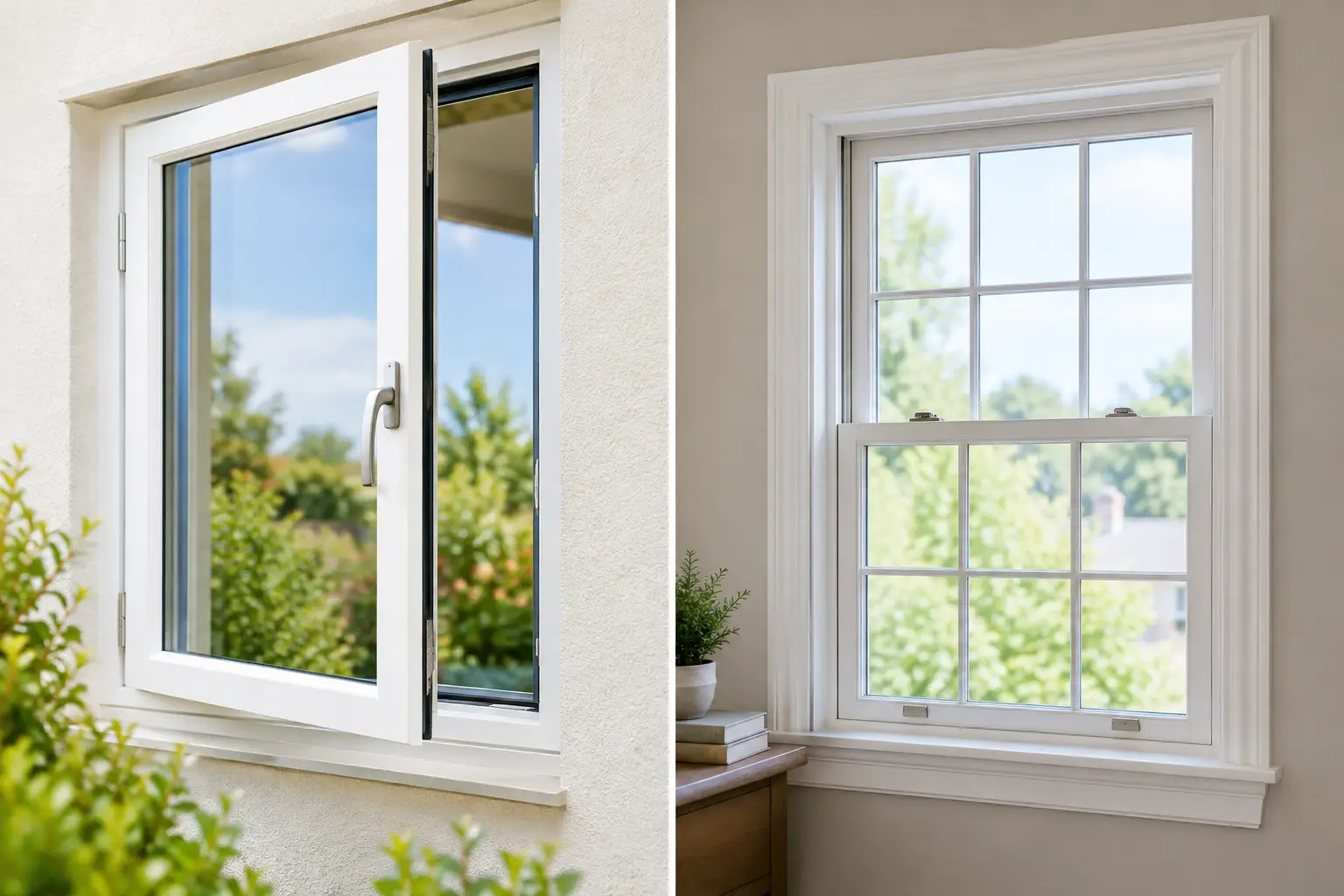
A casement window is hinged at the side and opens outwards, much like a door. It may have one opening section, two opening sections, or fixed panes combined with opening sections. Casement windows are a familiar choice across newer homes, 1930s properties and many modernised houses throughout Kent and the South East.
A sash window has one or more panes that slide vertically within the frame. Traditional timber sash windows use cords, weights and pulleys, while modern uPVC sliding sash windows replicate the classic look with considerably less maintenance. Some sash designs can also tilt inwards, making the outside glass easier to clean from indoors.
Neither option is automatically better. A well-specified window, accurately measured and properly fitted, will outperform a poorly chosen alternative every time. The key is matching the design to the building and your practical needs.
Style and character of your property
Sash windows are closely associated with Georgian, Victorian and Edwardian homes. Their tall proportions, slim sightlines and vertical movement suit period façades particularly well. If your home has existing sash windows, replacing them with a modern uPVC sash design can retain the original character while improving draught resistance, security and thermal performance.
Casement windows offer more flexibility in their appearance. They can suit traditional cottages, suburban family homes and contemporary extensions, depending on the glazing pattern, handles, colours and hardware selected. A flush casement design, for example, sits neatly within the frame and can give a more traditional timber-style finish. A sculptured or chamfered profile can also help you achieve the look that best fits the property.
For homes in conservation areas or listed buildings, the decision may not be purely personal. There can be restrictions on frame material, glazing bars, opening style and external appearance. It is sensible to check the relevant requirements before ordering windows, especially where the property has historic significance.
Everyday use: opening, ventilation and cleaning
Casement windows are straightforward to use. A handle releases the lock and the sash opens outwards, allowing a good flow of fresh air. This makes them particularly useful in kitchens, bathrooms and bedrooms, where reliable ventilation matters. Restrictors can be fitted where a smaller opening is preferred, such as upstairs rooms or homes with young children.
Because the sash projects outside, casement windows need clear space externally. They can be less suitable where a window opens over a narrow path, close to a boundary, or onto a busy walkway. Ground-floor windows also need consideration if an outward-opening sash would obstruct a patio or garden seating area.
Sash windows do not swing into the garden or across an external path. Instead, the moving panes slide up and down within the frame. Opening the top and bottom sections slightly can encourage warm air to escape at the top while cooler air enters below, which is a useful form of natural ventilation in warmer weather.
Modern sliding sash windows are often designed with tilt-in sashes. This is a genuine practical advantage on upper floors, as it can make cleaning the external glass safer and easier without needing to lean out of the window. Not every sash window has this feature, so it is worth discussing it at the specification stage.
Energy efficiency, weather resistance and security
The opening style alone does not determine whether a window will keep your home warm. Glass specification, frame quality, seals, installation and the condition of the surrounding opening all have a major effect. Both casement and sash windows can be supplied with high-performance double glazing and A-rated uPVC frames.
Casement windows close against compression seals around the opening sash. When manufactured and fitted correctly, this can provide excellent resistance to draughts and wind-driven rain. Their simple opening mechanism also allows multi-point locking to be incorporated neatly into the frame.
Modern uPVC sash windows have improved greatly from the older timber designs many homeowners remember. Quality systems use weather seals, reinforced sections and secure locking arrangements to address the common concerns around rattling, draughts and security. However, sash windows are mechanically more complex than a basic casement design, so the product quality and fitting standard are especially important.
For either style, consider the glazing as carefully as the frame. Obscure glass may be appropriate for bathrooms, while tougher safety glass may be needed in low-level locations. Trickle vents may also be required or advisable depending on the room, the property’s ventilation arrangements and current building regulations.
Space, views and glazing layout
Casement windows can provide wide, unobstructed openings where larger opening sections are used. They work well for rooms overlooking a garden, where you may want to make the most of light and fresh air. The design can be adapted with fixed side panels, top-opening fanlights or decorative glazing bars.
Sash windows tend to have a more vertical emphasis. This can make them an excellent fit for tall bay windows and narrow openings found in period properties. The meeting rail - where the two sliding sections overlap - sits across the middle of the window, so there is a visible horizontal division that some homeowners love for its traditional appearance and others prefer to avoid.
Think about the view from inside as well as the elevation outside. A large rear extension may suit simple casement windows with clean lines, while the front of a Victorian terrace may look more balanced with vertically sliding sashes. There is no rule that says every window in a home must follow the same design, although a consistent approach usually creates the strongest overall finish.
Cost and long-term value
As a general guide, standard casement windows are often the more cost-effective option. Their construction is simpler, there are fewer moving parts and they are widely available in many configurations. That does not mean they are a compromise - a well-made casement window can be secure, efficient and attractive for many years.
uPVC sash windows usually cost more because of their specialist mechanism and the detail needed to recreate the appearance of traditional timber. For the right property, that extra investment can be worthwhile. Maintaining the character of a period home can support its kerb appeal and help the replacement windows feel like they belong there rather than being an afterthought.
It is best to compare like for like when looking at quotations. Check the glazing specification, energy rating, security hardware, handles, ventilation, disposal of old frames, finishing around the reveals and whether any making-good work is included. The lowest initial price may not include the standard of fitting or finishing your home deserves.
Choosing the right window for your home
Choose casement windows if you want a versatile, cost-conscious design with wide opening options and a style that can work across most property types. They are particularly practical for modern homes, extensions and replacement projects where outward-opening sashes will not interfere with paths or outdoor space.
Choose sash windows if preserving a period appearance is a priority, especially on Georgian, Victorian or Edwardian properties. They are also a strong option where you like the traditional vertical proportions and want a window that can ventilate without opening outwards.
Before making a final decision, look at the windows from the pavement, from inside the main rooms and alongside the rest of the home’s exterior details. Brickwork, rooflines, bay windows, doors and existing glazing all influence what will look right. A measured survey should also identify any practical issues with reveals, lintels, access and the condition of the openings.
ADM Home Improvements can help homeowners weigh up those details with a friendly, no-pressure approach and made-to-measure uPVC window options. The most satisfying choice is usually the one that looks right on the house, works properly every day and has been fitted with the care needed to keep it performing well for years to come.